What Causes Hair Loss? It Could Be Your Diet
What causes hair loss? People often blame hair loss on genetics, aging, hormones, or stress. Each plays an important role. Scientists increasingly recognize another contributor that has quietly become part of modern life. The foods we eat every day.
Over the past several years, researchers have begun examining whether diets high in ultra-processed foods may affect scalp and hair follicle health. So far, the evidence does not prove that ultra-processed foods directly cause hair loss. But multiple studies have found a concerning association between diets dominated by these foods and a higher likelihood of hair thinning.
For men concerned about maintaining healthy hair, this emerging body of research is worth paying attention to.
Hair follicles are among the body’s most metabolically active structures. Every strand of hair that grows from your scalp requires an extraordinary amount of:
- Cellular activity
- Protein synthesis
- Blood flow
- Oxygen delivery
- Nutrient availability
Unlike organs that are essential for survival, hair follicles are considered nonessential tissues. When the body faces nutritional deficiencies, chronic inflammation, or metabolic dysfunction, the scalp may be one of the first places to show signs of stress. Understanding how diet affects the hair growth cycle may help explain why nutrition has become increasingly important, especially among trichologists.
What Are Ultra-Processed Foods?
Not all processed foods are unhealthy. Freezing vegetables, pasteurizing milk, roasting nuts, or canning beans are all forms of food processing that help preserve nutrition and improve food safety.
Ultra-processed foods, however, are different.
The internationally recognized NOVA Food Classification System defines ultra-processed foods as industrial formulations made primarily from substances extracted from foods or synthesized ingredients, often containing additives designed to improve flavor, texture, appearance, or shelf life.
Common examples include:
- Sugary breakfast cereals
- Packaged snack cakes
- Candy
- Chips
- Fast food hamburgers
- Frozen pizzas
- Instant noodles
- Processed meats
- Sugary soft drinks
- Energy drinks
- Sweetened coffee beverages
- Packaged cookies
- Highly processed protein bars
- Many flavored yogurts
- Microwave-ready meals
These foods often contain combinations of:
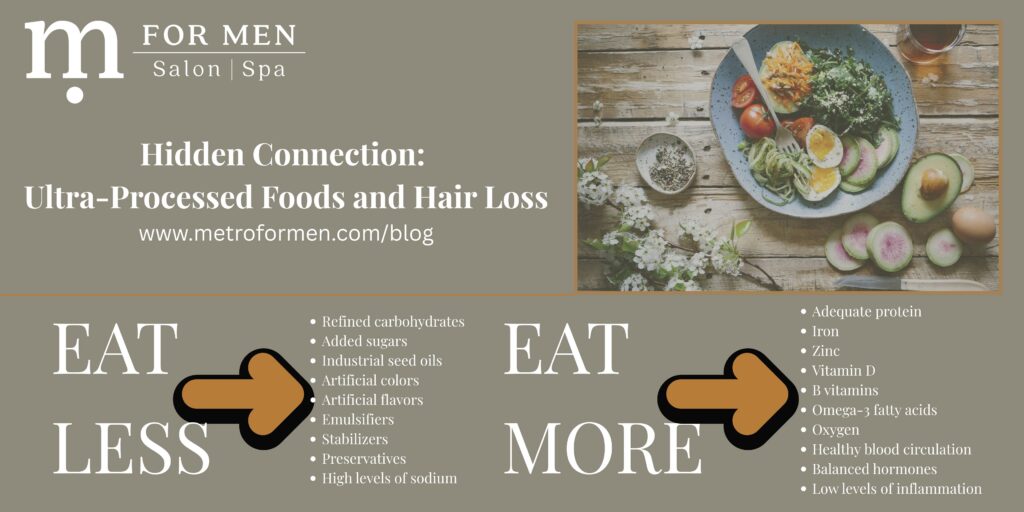
- Refined carbohydrates
- Added sugars
- Industrial seed oils
- Artificial colors
- Artificial flavors
- Emulsifiers
- Stabilizers
- Preservatives
- High levels of sodium
While convenient, these foods often replace nutrient-dense whole foods that provide the vitamins, minerals, protein, healthy fats, and antioxidants necessary for optimal hair growth.
Hair Growth Is an Energy-Intensive Process
Many people think hair simply “grows.” In reality, every individual hair follicle functions like a miniature biological factory. Each follicle continuously produces keratin proteins, divides specialized cells, creates pigment, and cycles through stages of Hair growth. The average scalp contains approximately 84,000 to 145,000 hair follicles. About 85 to 90 percent are normally in the active growth phase known as anagen, which may last anywhere from two to seven years. During this phase, hair-producing cells divide rapidly. These are among the fastest-dividing cells anywhere in the body.
Rapid cell division requires:
- Adequate protein
- Iron
- Zinc
- Vitamin D
- B vitamins
- Omega-3 fatty acids
- Oxygen
- Healthy blood circulation
- Balanced hormones
- Low levels of inflammation
When these conditions deteriorate, hair follicles may prematurely exit the growth phase and enter the resting phase. This phase is known as telogen. This can lead to increased shedding several months later.
This is one reason nutritional changes often take months before improvements become visible.
Research Begins Connecting Diet and Hair Loss
Interest in nutrition and hair loss has expanded dramatically during the last decade. Researchers have investigated everything from vitamin deficiencies to Mediterranean diets, inflammatory eating patterns, and now ultra-processed foods. One recent study drew considerable attention. Researchers found that people who consumed more sugary beverages and processed foods were significantly more likely to report male-pattern hair loss than those who consumed them less often.
The findings generated headlines worldwide. Why? Because they supported a growing theory that modern dietary habits may contribute to conditions previously believed to be driven almost entirely by genetics. However, it is important to understand what the study actually found.
The researchers discovered an association, not proof of cause and effect. An association means two variables appear together more often than chance would predict. It does NOT prove one causes the other. For example, individuals who consume large amounts of ultra-processed foods may also:
- Exercise less
- Sleep fewer hours
- Experience greater stress
- Smoke more frequently
- Have higher rates of obesity
- Have insulin resistance
- Consume fewer fruits and vegetables
Each of these factors may independently influence hair health. Good scientific research attempts to account for these variables, but no observational study can eliminate every possible confounding factor. Nevertheless, when multiple studies repeatedly point in the same direction, researchers begin exploring the biological mechanisms that might explain the relationship.
Scientists Believe the Connection Makes Biological Sense
One reason researchers are taking these findings seriously is that the proposed mechanisms are biologically plausible. Ultra-processed diets have repeatedly been associated with:
- Chronic low-grade inflammation
- Elevated oxidative stress
- Increased insulin resistance
- Obesity
- Cardiovascular disease
- Poor gut microbiome diversity
- Metabolic syndrome
Interestingly, researchers have also investigated each of these conditions as a potential contributor to impaired hair follicle function. Hair follicles rely on precise communication between hormones, immune cells, blood vessels, stem cells, and specialized proteins. Inflammation can interfere with these communication networks. Oxidative stress can damage cellular structures. Insulin resistance may alter hormone signaling. Poor nutrition limits the building blocks needed to produce healthy hair.
Instead of viewing hair loss as an isolated scalp problem, many trichologists now view it as one possible reflection of overall metabolic health.
Inflammation: The Silent Enemy of Healthy Hair
One of the strongest theories connecting ultra-processed foods to hair thinning centers around chronic inflammation. Unlike inflammation after an injury, Chronic low-grade inflammation may persist for years without obvious symptoms. Research has shown that diets high in refined sugars, processed meats, and heavily processed foods may increase inflammatory signaling throughout the body. These inflammatory molecules may eventually influence:
- Hair follicle stem cells
- Blood vessels supplying follicles
- Immune activity surrounding follicles
- Hair growth signaling pathways
Scientists continue to investigate how these inflammatory pathways affect androgenetic alopecia and what causes hair loss. The evidence is still evolving, but the biological rationale continues to strengthen.
How Ultra-Processed Foods May Affect Hair Follicles
In Part 1 of this blog post, we explored:
- What ultra-processed foods are
- Why hair follicles are especially vulnerable to poor nutrition
- How researchers are beginning to identify an association between diets high in ultra-processed foods and an increased likelihood of hair thinning
The obvious question is: How could the food on your plate possibly affect the hair growing from your scalp?
The answer to what causes hair loss lies in a network of biological processes that influence nearly every organ in the body. Including the hair follicles. Hair growth depends on healthy circulation, balanced hormones, proper immune function, adequate nutrition, and a stable scalp environment. Diets dominated by ultra-processed foods can disrupt many of these systems simultaneously. Researchers are still working to determine exactly how these changes influence different types of hair loss. Several biological mechanisms have emerged as leading explanations.
Oxidative Stress: When Hair Follicles Are Under Constant Attack
Every cell in the body naturally produces unstable molecules called reactive oxygen species (ROS) during normal metabolism. Under healthy conditions, antioxidants from both the body and the diet neutralize these molecules before they cause significant damage. Problems arise when ROS production exceeds the body’s ability to control it. This imbalance is known as oxidative stress.
Numerous studies link diets high in refined sugars, unhealthy fats, and heavily processed foods to increased oxidative stress. At the same time, these diets often provide fewer antioxidant-rich foods such as colorful fruits, vegetables, legumes, nuts, and whole grains. Hair follicles are particularly susceptible to oxidative damage because they divide constantly and produce new cells. Damage to follicular cells may disrupt normal hair production, alter the timing of the hair growth cycle, and affect the stem cells that generate new hair.
Researchers studying androgenetic alopecia have found elevated oxidative stress markers in affected scalp tissue. Suggesting oxidative damage may contribute to progressive follicle miniaturization. While genetics and hormones remain the primary drivers of male pattern hair loss, oxidative stress may accelerate this process in susceptible individuals.
Blood Sugar Spikes and Insulin Resistance
Another area of growing interest is the relationship between blood sugar regulation and hair health. Ultra-processed foods frequently contain refined carbohydrates and added sugars that are rapidly absorbed into the bloodstream. This can cause repeated spikes in blood glucose, followed by large insulin releases. Occasional blood sugar increases are perfectly normal. However, frequently consuming highly refined foods may contribute to insulin resistance, a condition in which the body’s cells become less responsive to insulin.
Insulin resistance has been linked to numerous health conditions, including obesity, type 2 diabetes, cardiovascular disease, and metabolic syndrome. More recently, researchers have begun investigating whether it may also influence certain forms of hair loss. Insulin interacts with multiple hormones that regulate hair growth. Elevated insulin levels may influence androgen activity, inflammatory signaling, and growth factors involved in the hair cycle. Some studies suggest these metabolic disturbances may create conditions that favor follicle miniaturization in genetically predisposed individuals.
This does not mean eating dessert will cause hair loss. Instead, consistently eating a diet dominated by foods that repeatedly cause large blood sugar fluctuations may gradually create an internal environment less supportive of healthy hair growth.
Chronic Inflammation and Hair Growth Cycle
Hair follicles normally cycle through four distinct stages:
- Anagen (active growth)
- Catagen (transition)
- Telogen (resting)
- Exogen (shedding)
A healthy scalp maintains a delicate balance between these phases. Chronic low-grade inflammation may disrupt this balance. Research has demonstrated that inflammatory cytokines (chemical messengers produced by the immune system) can influence hair follicle biology. Elevated inflammatory signaling may shorten the anagen phase and push follicles into the resting phase prematurely.
The result can be increased shedding several months after the original trigger occurred.
Ultra-processed dietary patterns have consistently been associated with higher levels of inflammatory markers such as C-reactive protein and certain inflammatory cytokines. Although these markers do not specifically target hair follicles. They reflect a broader inflammatory environment that may affect tissues throughout the body. Many trichologists now consider systemic inflammation one of several factors that can influence scalp health. This is especially true when combined with genetics, hormonal changes, psychological stress, or underlying medical conditions.
The Gut Microbiome: New Frontier in Hair Research
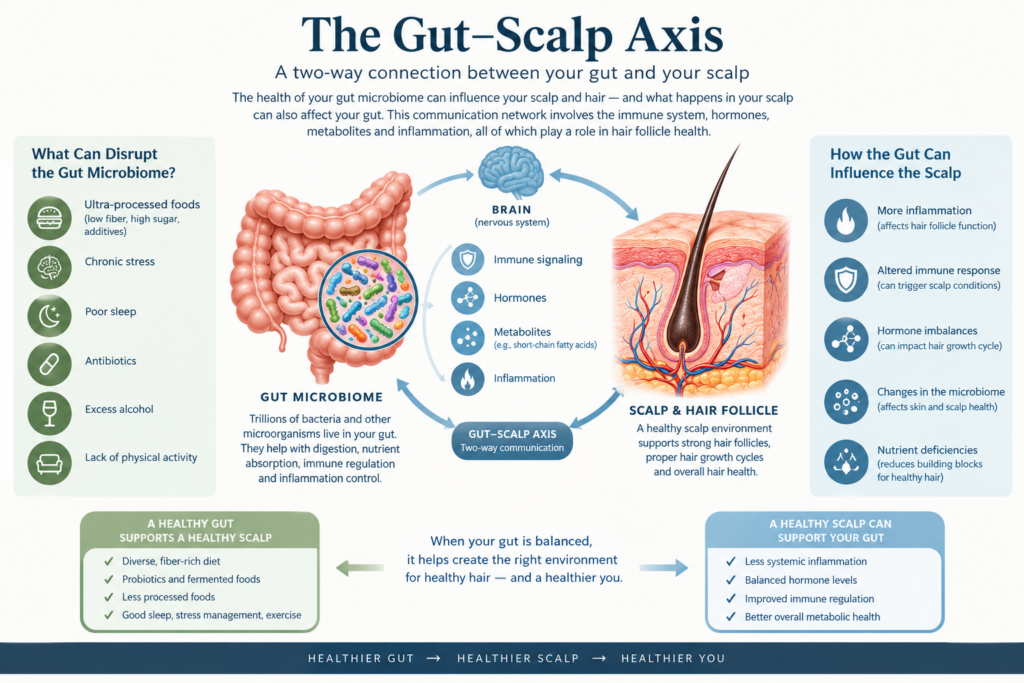
One of the most exciting areas of modern medical research involves the gut microbiome. Trillions of bacteria, fungi, and other microorganisms live within the digestive tract. Scientists now recognize that these microbes influence much more than digestion. They help regulate the immune system, produce vitamins, support metabolism, influence inflammation, and communicate with other organs through what researchers call the gut-skin axis.
Many investigators now believe there may also be a gut-scalp axis.
Although this field remains in its infancy, early research suggests that disruptions in gut microbial diversity may influence inflammatory skin conditions, immune responses, and possibly hair follicle function. Ultra-processed foods may negatively affect the microbiome because they often contain:
- Low dietary fiber
- High amounts of refined carbohydrates
- Artificial sweeteners
- Emulsifiers
- Additives that may alter microbial populations
Conversely, diets rich in vegetables, legumes, fruits, fermented foods, and whole grains provide fiber that beneficial gut bacteria convert into short-chain fatty acids. These compounds help regulate inflammation and support intestinal barrier integrity. Researchers continue investigating exactly how the microbiome influences hair growth. A diverse, minimally processed diet appears to support overall health, including the systems that maintain healthy hair.
Nutrient Density Matters More Than Calories
One of nutrition’s biggest misconceptions is that consuming enough calories automatically provides adequate nourishment. Hair follicles need more than calories. They require specific nutrients. Many ultra-processed foods are energy-dense but nutrient-poor. That is, they provide large amounts of calories while offering relatively few vitamins, minerals, essential fatty acids, or amino acids. When these foods regularly replace nutrient-rich meals, the body may get enough energy but still fall short on the nutrients needed for optimal hair production. Research has shown a correlation between what causes hair loss and nutrient deficiencies.
Some of the nutrients most important for healthy hair include:
Protein
Hair is composed primarily of keratin, a structural protein. Inadequate protein intake may increase hair shedding because the body prioritizes essential organs over hair production during nutritional stress.
Iron
Iron supports oxygen transport throughout the body. Low iron levels can reduce oxygen delivery to rapidly dividing hair follicle cells and are a well-recognized cause of diffuse hair shedding in susceptible individuals.
Zinc
Zinc participates in hundreds of enzymatic reactions involved in cell growth, tissue repair, and immune regulation. A zinc deficiency has been associated with several forms of hair loss.
Vitamin D
Vitamin D receptors are present within hair follicles and appear to influence follicle cycling. Although research continues, inadequate vitamin D status has been associated with several hair disorders.
B Vitamins
Biotin often gets the most attention, but B6, B12, folate, niacin, and riboflavin also support cellular metabolism and healthy tissue growth.
Omega-3 Fatty Acids
Omega-3 fats help regulate inflammation and support healthy cell membranes throughout the body, including those in the scalp.
Antioxidant Nutrients
Vitamin C, vitamin E, selenium, and numerous plant compounds help defend cells against oxidative stress and support collagen production around hair follicles.
Diet Quality Versus Individual “Superfoods”
One of the most important lessons from nutrition research is that no single food determines your hair health. Hair health reflects overall dietary patterns, not isolated meals. Eating a serving of blueberries after consuming fast food every day is unlikely to offset the broader metabolic effects of a consistently poor diet. Likewise, no supplement can completely compensate for a nutritional pattern dominated by ultra-processed foods. Researchers increasingly emphasize dietary quality rather than searching for one miraculous food or nutrient.
Eating patterns like the Mediterranean diet have consistently been associated with lower inflammation and improved metabolic health. The Mediterranean diet emphasizes vegetables, fruits, legumes, fish, olive oil, nuts, and seeds. While consuming minimal processed foods. These same characteristics may create a more favorable environment for maintaining healthy hair follicles. Diet alone will not stop what causes hair loss, but a balanced diet can certainly help.
What Causes Hair Loss: Looking Beyond Genetics
Genetics remain the strongest predictor of androgenetic alopecia and what causes hair loss. If male pattern baldness runs in your family, your inherited genes significantly influence whether you will eventually experience thinning hair. However, genes aren’t the whole story. Many researchers now view genetics as establishing susceptibility. Lifestyle factors, including nutrition, sleep, stress management, physical activity, smoking, and overall metabolic health, may influence how that susceptibility is expressed over time. In other words, one’s diet may not eliminate a genetic predisposition to hair loss. A nutrient-rich, anti-inflammatory eating pattern may support the healthiest possible environment for your scalp and hair follicles.
Understanding this distinction is essential. The goal is not to promise that changing your diet will prevent baldness. Instead, it is to recognize that healthy hair depends on healthy habits and biology. Nutrition is one of the most powerful tools we have to support it.
Practical Strategies for Supporting Healthy Hair Through Better Nutrition
Throughout this blog post, we have explored emerging scientific evidence linking diets high in ultra-processed foods to a factor in what causes hair loss. We have also examined several biological mechanisms. These include chronic inflammation, oxidative stress, insulin resistance, reduced nutrient intake, and changes to the gut microbiome. These factors may help explain why researchers are seeing this association.
The most important takeaway is this:
Current research supports an association between diets high in ultra-processed foods and an increased risk of hair loss, but it has not established that ultra-processed foods directly cause hair loss.
What causes hair loss is a complex condition. Influenced by genetics, hormones, age, stress, medications, underlying medical conditions, and nutritional status. View diet as one important piece of the puzzle, not the sole explanation for thinning hair. The encouraging news is that nutrition is one factor many people can improve.
Building a Hair-Friendly Diet
Hair follicles require a constant supply of nutrients to support one of the fastest rates of cell division in the human body. Don’t search for a single “superfood.” Focus on foods that promote healthy hair growth. The best approach is an overall dietary pattern that provides protein, vitamins, minerals, healthy fats, antioxidants, and fiber.
Prioritize High-Quality Protein
Hair is composed primarily of keratin, a protein made from amino acids. Without adequate dietary protein, the body may shift resources away from hair production during periods of nutritional stress. Excellent protein sources include:
- Fish
- Chicken
- Turkey
- Eggs
- Greek yogurt
- Cottage cheese
- Lean beef
- Lentils
- Beans
- Tofu
- Tempeh
Aim to include a quality protein source with each meal to provide a steady supply of amino acids.
Eat the Rainbow
Fruits and vegetables provide thousands of naturally occurring compounds that support healthy cellular function. Different colors often represent different antioxidant compounds:
- Dark leafy greens supply folate and vitamin K.
- Orange vegetables provide beta-carotene.
- Red berries contain anthocyanins.
- Citrus fruits provide vitamin C.
- Tomatoes contain lycopene.
- Purple vegetables provide polyphenols.
These nutrients help protect cells from oxidative stress while supporting collagen production and healthy circulation.
Choose Healthy Fats
Healthy fats are essential for maintaining cell membranes throughout the body, including the scalp. Excellent sources include:
- Extra virgin olive oil
- Avocados
- Walnuts
- Almonds
- Pistachios
- Chia seeds
- Flaxseed
- Salmon
- Sardines
- Mackerel
These foods provide omega-3 fatty acids and monounsaturated fats. They support cardiovascular health and help regulate inflammation.
Feed Your Gut Microbiome
A healthy gut microbiome depends on dietary diversity. Foods that support beneficial gut bacteria include:
- Vegetables
- Fruits
- Whole grains
- Legumes
- Fermented yogurt
- Kefir
- Sauerkraut
- Kimchi
- Miso
- High-fiber foods
A diverse microbiome contributes to immune regulation and may help maintain a healthier inflammatory balance throughout the body.
Reduce Ultra-Processed Foods Gradually
Completely eliminating ultra-processed foods is unrealistic for most people. Instead, replace them one meal at a time. Simple changes can include:
- Replacing sugary breakfast cereals with oatmeal and berries.
- Choosing water or unsweetened tea instead of soda.
- Preparing lunches at home several days each week.
- Replacing chips with roasted nuts or fresh fruit.
- Cooking dinner more frequently using whole ingredients.
- Reading ingredient labels and choosing foods with shorter ingredient lists.
Small, sustainable improvements generally work better than highly restrictive diets.
Lifestyle Habits That Support Hair Growth
Nutrition is only one part of maintaining healthy hair. Several lifestyle habits work together with diet to support optimal follicle function.
Sleep
Hair follicles repair continuously, and chronic sleep deprivation is associated with increased physiological stress and inflammation. Adults should generally aim for seven to eight hours of quality sleep each night.
Physical Activity
Regular exercise improves cardiovascular health, insulin sensitivity, and circulation while helping regulate inflammatory pathways. Current guidelines recommend at least 150 minutes of moderate physical activity each week.
Stress Management
Psychological stress can contribute to telogen effluvium. Telogen effluvium is a temporary form of hair shedding that often appears 2 to 3 months after a major stressor. Helpful stress-management techniques include:
- Meditation
- Walking
- Strength training
- Yoga
- Deep breathing
- Spending time outdoors
- Maintaining strong social relationships
Avoid Smoking
Smoking contributes to oxidative stress, vascular dysfunction, and reduced circulation. All factors that may negatively influence hair follicles. Quitting smoking benefits nearly every organ system, including the scalp.
When Nutrition Alone Is Not Enough
Although improving dietary quality benefits overall health, keep expectations realistic. Many forms of hair loss require medical evaluation and targeted treatment. Examples include:
Androgenetic Alopecia
The most common form of male hair loss is primarily driven by genetics and the hormone dihydrotestosterone (DHT). Nutritional improvements may support overall scalp health, but they do not eliminate genetic susceptibility.
Alopecia Areata
This autoimmune condition requires medical diagnosis and treatment.
Scarring Alopecias
These inflammatory disorders can permanently damage hair follicles if left untreated.
Thyroid Disorders
Both hypothyroidism and hyperthyroidism may contribute to hair shedding.
Iron Deficiency
Iron deficiency remains one of the most common nutritional causes of diffuse hair loss.
Medication-Induced Hair Loss
Certain medications may increase shedding regardless of diet. Because many conditions produce similar symptoms, a qualified healthcare provider or trained trichologist should always evaluate persistent or unexplained hair loss.
The Value of a Professional Hair and Scalp Assessment
One of the biggest mistakes people make is assuming all hair loss has the same cause. A professional consultation with a certified Trichologist may include:
- Detailed medical history
- Dietary review
- Lifestyle assessment
- Scalp examination
- Hair density evaluation
- Magnified follicle analysis
- Discussion of family history
- Identification of potential nutritional risk factors
- Recommendations for additional laboratory testing when appropriate
This comprehensive approach helps identify the factors most likely contributing to an individual’s hair concerns.
Looking Beyond Quick Fixes
The internet is filled with products promising dramatic hair regrowth. Many supplements, shampoos, oils, and topical treatments make impressive marketing claims despite having limited scientific support. Healthy hair rarely comes from a single product. Instead, it reflects the cumulative effects of:
- Genetics
- Hormones
- Nutrition
- Scalp health
- Sleep
- Physical activity
- Stress management
- Medical conditions
- Professional care
Improving one area while neglecting the others is unlikely to produce optimal results.
What Causes Hair Loss: Frequently Asked Questions
Can eating ultra-processed foods directly cause hair loss?
Current scientific evidence has identified an association but has not proven a direct cause-and-effect relationship. Many factors influence hair loss, including genetics, hormones, medical conditions, medications, stress, and nutrition.
Will changing my diet reverse male pattern baldness?
No. Male pattern baldness is primarily genetic. However, a nutrient-rich diet may support overall scalp health and provide hair follicles with the nutrients they need to function optimally.
How long does it take for dietary improvements to affect hair?
Because hair grows slowly, noticeable improvements typically require several months. Hair follicles must complete portions of the growth cycle before changes become visible.
Should I take hair supplements?
Supplements may help people with documented nutritional deficiencies, but they shouldn’t replace a healthy diet. Taking high doses of vitamins or minerals without medical guidance may be unnecessary or even harmful.
What eating pattern appears most supportive of healthy hair?
Research consistently supports dietary patterns emphasizing minimally processed foods, lean proteins, fruits, vegetables, legumes, whole grains, healthy fats, and adequate hydration.
Final Thoughts: What Causes Hair Loss
Your hair can provide valuable insight into your overall health. Genetics remain the strongest predictor of many forms of hair loss. However, daily habits, including the foods you eat, help shape the environment in which your hair follicles function. Emerging scientific literature suggests that diets high in ultra-processed foods may contribute to conditions that do not support healthy hair growth. They increase inflammation, oxidative stress, and metabolic dysfunction while reducing nutrient intake.
Nutrition alone cannot prevent what causes hair loss. A dietary pattern centered on whole, minimally processed foods supports healthier hair, skin, cardiovascular health, metabolic function, and overall well-being. Think of every nutritious meal as an investment. Not just in your hair, but in your long-term health. At m FOR MEN Salon | Spa, we believe a full head of healthy hair starts with a healthy scalp. We offer a whole host of hair and scalp wellness services.
References on What Causes Hair Loss
Arck, P. C., Overall, R., Spatz, K., Liezman, C., Handjiski, B., Klapp, B. F., & Paus, R. (2003). Towards a “free radical theory of graying”: Melanocyte apoptosis in the aging human hair follicle. FASEB Journal, 20(9), 1567–1569.
Chen, H., et al. (2023). Association between dietary patterns and androgenetic alopecia in young men: A population-based study. Nutrients.
Cordain, L., Eaton, S. B., Sebastian, A., et al. (2005). Origins and evolution of the Western diet. American Journal of Clinical Nutrition, 81(2), 341–354.
Guo, E. L., & Katta, R. (2017). Diet and hair loss: Effects of nutrient deficiency and supplement use. Dermatology Practical & Conceptual, 7(1), 1–10.
Monteiro, C. A., Cannon, G., Levy, R. B., et al. (2019). Ultra-processed foods: What they are and how to identify them. Public Health Nutrition, 22(5), 936–941.
Paus, R., & Cotsarelis, G. (1999). The biology of hair follicles. New England Journal of Medicine, 341(7), 491–497.
Pereira, M. A. (2021). Ultra-processed foods and health outcomes: A review of epidemiological evidence. Nutrition Reviews, 79(11), 1267–1278.
Suchonwanit, P., Thammarucha, S., & Leerunyakul, K. (2019). Minoxidil and its use in hair disorders: A review. Drug Design, Development and Therapy, 13, 2777–2786.
About the Author: What Causes Hair Loss
Krista Martin is a Licensed Cosmetologist, Certified Hair Loss Practitioner, and Certified Associate Trichologist with nearly four decades of experience. She has specialized in men’s hair and grooming for almost thirty years. As a trichologist and owner of m FOR MEN Salon | Spa, the first men’s salon and spa in Orange County, she is dedicated to educating men about evidence-based approaches to scalp health, hair loss, and long-term hair wellness. Her mission is to bridge professional grooming with the latest scientific research, helping clients make informed decisions that support healthier hair from the inside out.